

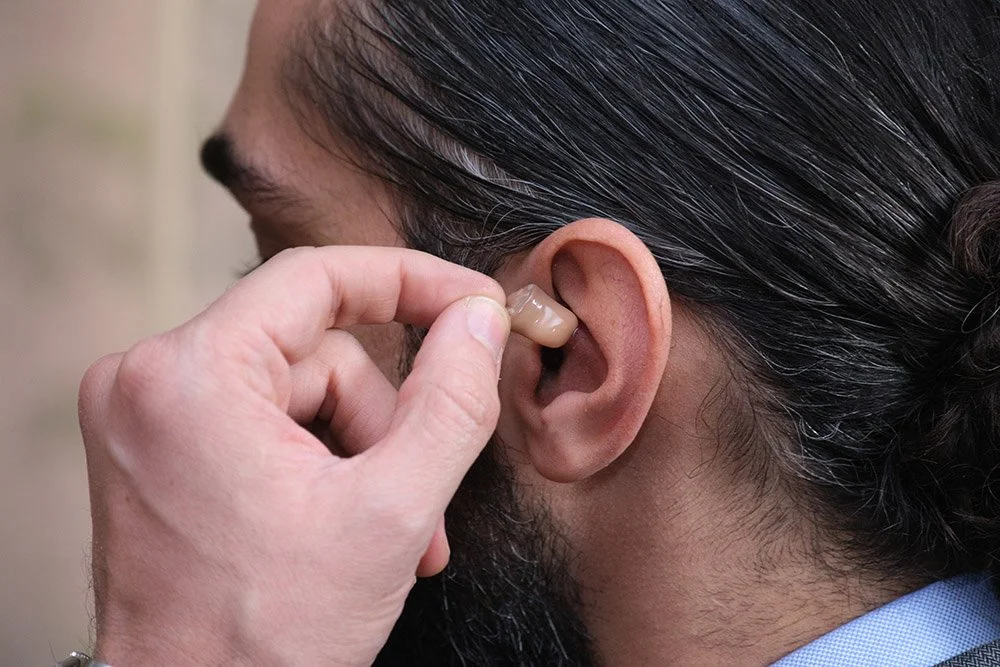
Everything You Need to Know About Hearing Aid
What is a Hearing Aid
A hearing aid is a small electronic device that you wear in or behind your ear. It makes some sounds louder so that a person with hearing loss can listen, communicate, and participate more fully in daily activities. A hearing aid can help people hear more in both quiet and noisy situations. Here’s how they work and how they help improve hearing:
How Hearing Aids Work
Microphone: Captures sound from the environment.
Amplifier: Increases the volume of the captured sound.
Receiver (Speaker): Delivers the amplified sound into the ear.
Battery: Powers the device.
Computer Chip: Processes sound and adjusts amplification levels to fit the user's specific hearing loss profile.
Types of Hearing Aids
Behind-the-Ear (BTE): Worn behind the ear, with a tube that directs sound into the ear canal.
In-the-Ear (ITE): Fits completely in the outer ear, suitable for mild to severe hearing loss.
In-the-Canal (ITC): Smaller and fits partly in the ear canal, suitable for mild to moderate hearing loss.
Completely-in-the-Canal (CIC): Fits completely inside the ear canal, less visible, suitable for mild to moderate hearing loss.
Invisible-In-Canal (IIC): IIC hearing aids are the smallest type, fitting deep into the ear canal and being virtually invisible. Suitable for mild to moderate hearing loss.
Receiver-in-Canal (RIC): Similar to BTE, but the receiver is in the ear canal, offering a more natural sound experience.
Features of Modern Hearing Aids
Directional Microphones: Improve hearing in noisy environments by focusing on sounds in front of the user.
Noise Reduction: Reduces background noise for clearer hearing.
Rechargeable Batteries: Some hearing aids come with rechargeable batteries, eliminating the need to change batteries frequently.
Telecoil: Helps improve hearing during phone calls and in public places equipped with induction loop systems.
Bluetooth Connectivity: Connects to smartphones, TVs, and other devices for direct audio streaming.
Tinnitus Masking: Provides relief from tinnitus with various sound therapy options.
Maintenance and Care
Daily Cleaning: Wipe the hearing aid with a dry cloth daily. Avoid using water or cleaning solvents.
Earwax Removal: Clean earwax from the hearing aid to maintain sound quality.
Storage: Store in a dry, cool place. Use a hearing aid dehumidifier if you live in a humid environment.
Regular Check-ups: Schedule regular visits with your audiologist for maintenance and adjustments.
Adaptation and Rehabilitation
Initial Adjustment: Users may need some time to get used to hearing aids. Audiologists help with fitting and fine-tuning.
Auditory Training: Programs to improve the brain's ability to process amplified sounds.
Regular Maintenance: Keeping the devices clean and ensuring they are functioning properly is essential for optimal performance.
Psychological and Social Benefits
Improved Communication: Facilitates better understanding and participation in conversations.
Increased Confidence: Reduces the stress and anxiety associated with hearing loss.
Social Engagement: Encourages social interactions and participation in activities, reducing feelings of isolation.
Choosing a Hearing Aid
Hearing Loss Type: The degree and type of hearing loss determine which hearing aid is best suited.
Lifestyle: Active individuals might prefer hearing aids with better noise reduction and directional microphones.
Budget: Hearing aids can be expensive, so it’s essential to consider your budget.
Comfort: Ensure the hearing aid fits comfortably in your ear.
Features: Decide which features are most important for your needs.
Importance of Professional Support
Hearing Assessment: Conducted by audiologists to determine the degree and type of hearing loss.
Customization: Audiologists customize hearing aids to fit the user’s specific hearing needs.
Follow-up Care: Regular check-ups to adjust settings, address issues, and ensure the hearing aids are providing the best possible support.
Overall, hearing aids are vital tools that significantly enhance the quality of life for individuals with hearing loss by improving their ability to hear and communicate effectively. Choosing the right hearing aid involves considering the type of hearing loss, lifestyle needs, and desired features. Regular maintenance and care can extend the life of your hearing aid and ensure optimal performance.